What’s known
- Procedures and rules
- How work is really done
- Judgement people carry
The Nexefy Platform
The Intelligence Engine holds your knowledge once, with its sources. This is one client’s map: eight documents, 408 linked items, four findings. Spin it, or open a finding.
Illustrative example
The engine reads your documents, procedures, existing training and the wording of the rules you work to, and turns them into linked knowledge. A temperature written in three documents becomes one setting with three statements, and when they disagree, the engine shows it.
One map underneath
Each client has one map. It links knowledge to the roles that need it, the people who hold it and the evidence that they can do it. The four steps are four things we do to that one map.
The four steps
Each step does its own job, a person decides at every step, and the record builds as it goes. Improve feeds the next Find.
Detect and sign. The engine finds documents that disagree, stale versions and missing references. Mapper finds steps no training reaches and assessment questions with no source. Each finding carries its source quote, a severity, an owner and a due date.
 Mapper
Two documents disagree on a restart temperature
Illustrative example
Correct at the source. Creator suggests the change and the document’s owner approves it in their own system. Short interviews capture what experienced people know. Where learning is missing, we start from the task, choose the tool, then build or source it.
 Creator, with microVerse®
Restart once below 90°C.
Restart once below 85°C, as procedure v12 step 14.
Illustrative example
Get it to people. The corrected knowledge reaches the people who need it, shaped for the job: a full programme, a guide at the task, practice in a safe world or a daily habit. Tutor answers questions only from approved knowledge.

 Launcher, Tutor
Illustrative example
Measure and re-check. InSights shows the effect on capability, safety and compliance. When a document or a person changes, the platform re-checks only what went stale, because every check records the versions it was built on.
 InSights
Re-checking the 4 things it touches
Illustrative example
On the record
Every step leaves a record made at the time, signed by competent people and tied to the exact version it used. It’s evidence you can stand behind, for an audit, a regulator or your board.
“On 14 March, this person was trained and assessed against version 3 of the procedure, and signed off by a named assessor.”
Underneath the steps
The Intelligence Engine sits under everything, and each of the other five does one job in one step. You don’t buy them separately: they come together as the Nexefy Platform.
Holds the frameworks you must meet: regulation, standards, units of competency and critical controls. Checks each requirement is evidenced, finds the gaps and hands them to Creator.
Already using Mapper? Talk to us about your account.
Closes the gaps Mapper finds. Suggests fixes to source documents for their owners to approve, or builds the learning: a microVerse scene, a course or a Digital Guide.
Ships the right learning to the right channel, including third-party tools such as simulators, and works out what each person needs next.
Answers questions from approved knowledge and shows where every answer came from. Helps inside a course, guides a process or a VR scene, and works in Teams.
Where the data lands: sessions, findings, risk, competence and compliance evidence, with rubric scoring and reports. In use today with Metro Trains Melbourne.

Reads documents, procedures, training and rules into linked knowledge, held once with its sources, and serves it to every product.
 Inside Fix
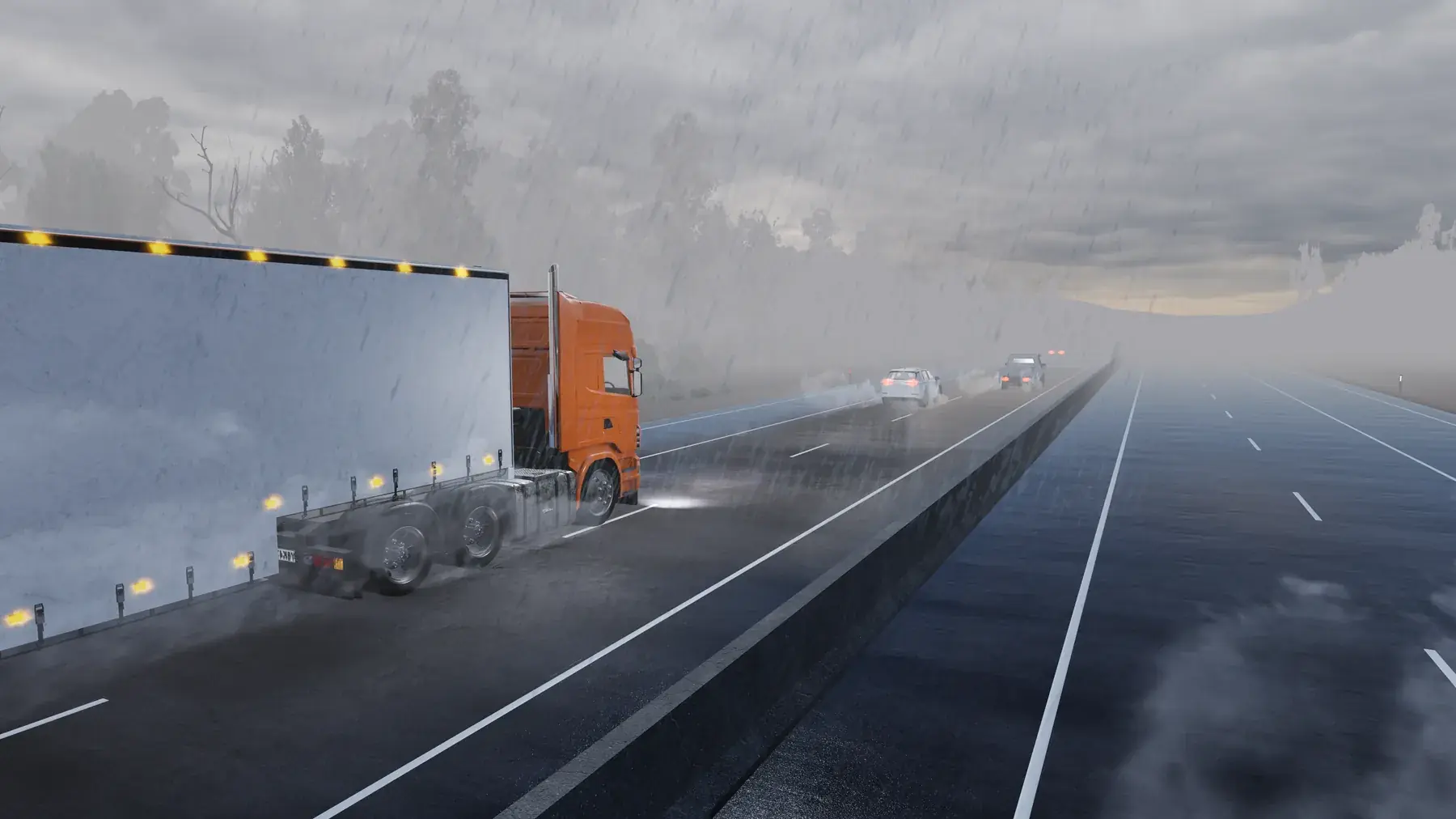
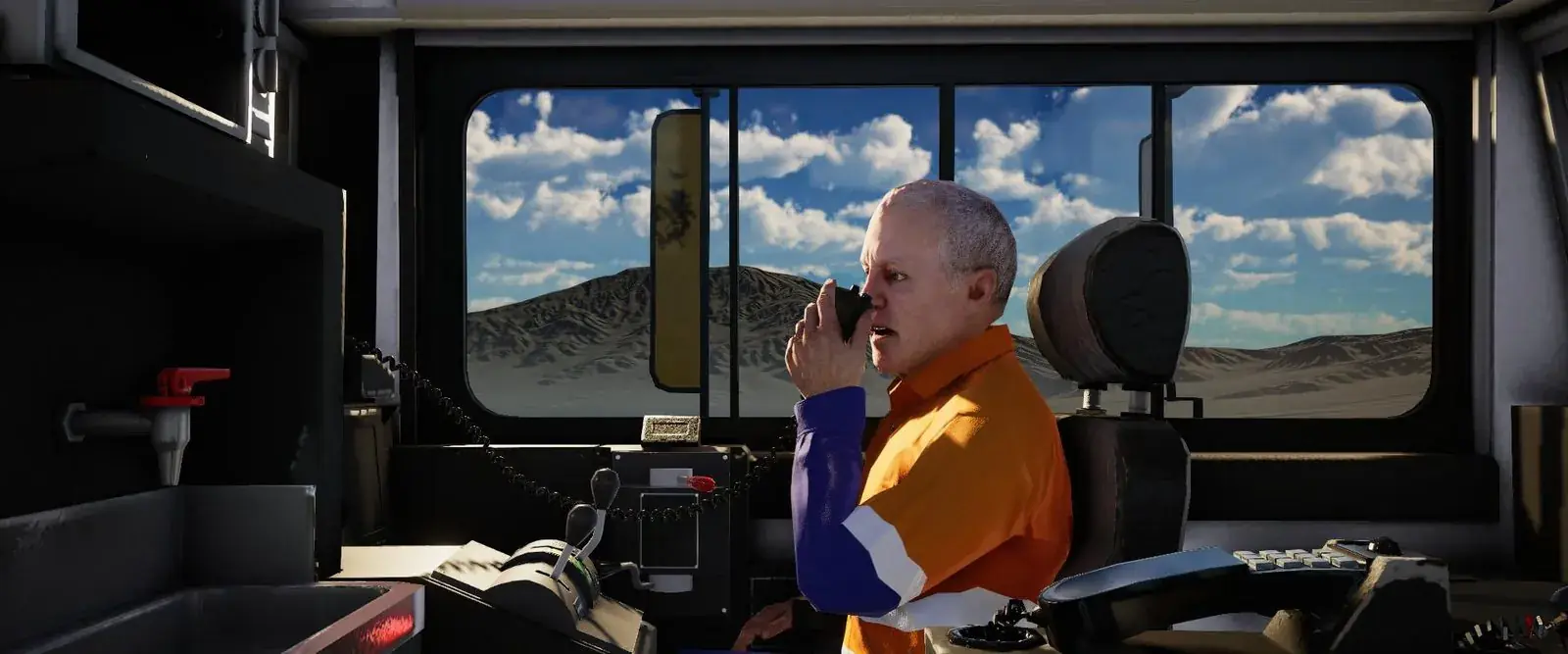
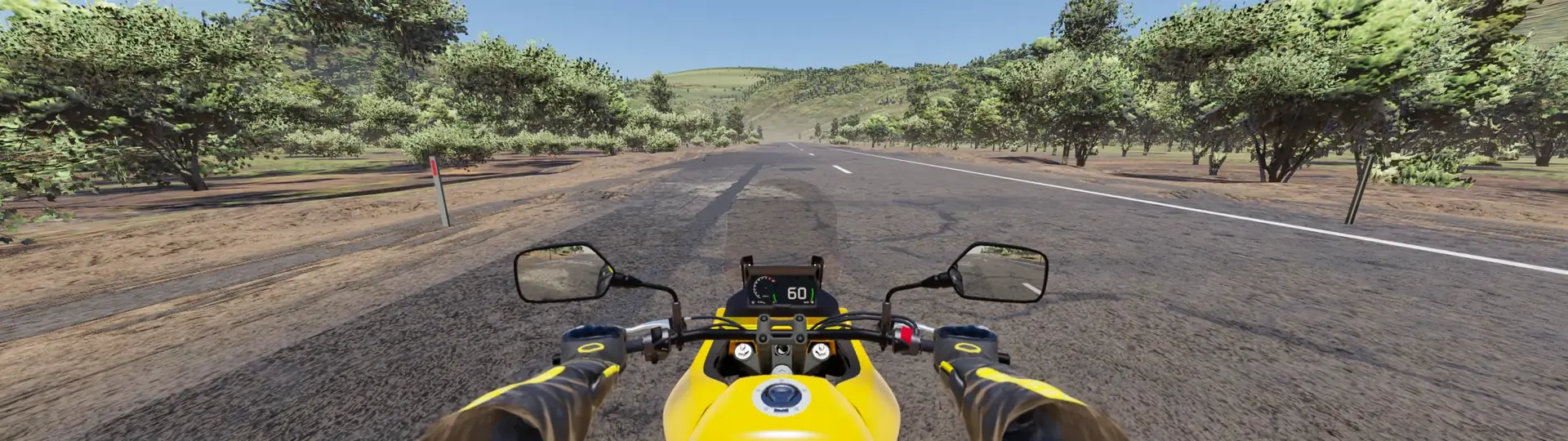
microVerse is our 3D world. It renders the same every time, so hands-on tasks can be practised, assessed and repeated, from a learner’s first intersection to a helicopter on the pad. Every scene is structured data the platform can read and check.
People in the loop
Nothing we find, create or change counts until a named person has approved it. That means your own people, working inside the software. Built in, always on.
Every piece of knowledge has a standing
“After a seal change, listen for a high whine in the first minute. That usually means air in the casing: stop and re-prime.”
Anything that disagrees with another source is raised for a person to resolve. It’s never quietly overwritten.
Captured know-how keeps who said it and who confirmed it, and never quietly becomes an instruction.
Tutor answers only from what’s been signed, and shows where every answer came from.





 +14
Want extra hands? Our analysts, instructional designers and 3D artists work inside the same platform, with the same approvals and the same record. Optional, and always quoted separately.
Talk to usFrom task to tool
“Shaped for the job” needs a method behind it. We profile what each task needs and match the simplest tool that meets it, ours or someone else’s, simulators included.
A rail example: a freight academy’s driver training
| Task | What the training must provide | Likely tool |
|---|---|---|
| Roll-by inspection | Seeing many faults, safely and repeatably | VR in microVerse |
| Decoupling and protection steps | Exact steps in the right order, hands on | Digital Guide then VR or part-task practice |
| Train handling at yard access points | Physics, feel and consequence | A simulator from a specialist supplier |
| Final sign-off | Real conditions and a named assessor | On the job, with a mentor |
We stay tool-neutral. Recommending a tool we don’t sell makes every other recommendation more credible. See it in practice in Aurizon Digital Guides and Track Lookout.
Know it’s right.Know they’re ready.
Tell us where the risk sits. We’ll scope a first pass on the area that matters most to you.